August 13, 2026
 0 Comments
Storm damage isn’t always easy to spot. Learn the 7 warning signs of roof damage…
Roof Repairs / Storm Damage

Apr 3, 2026

5 min read
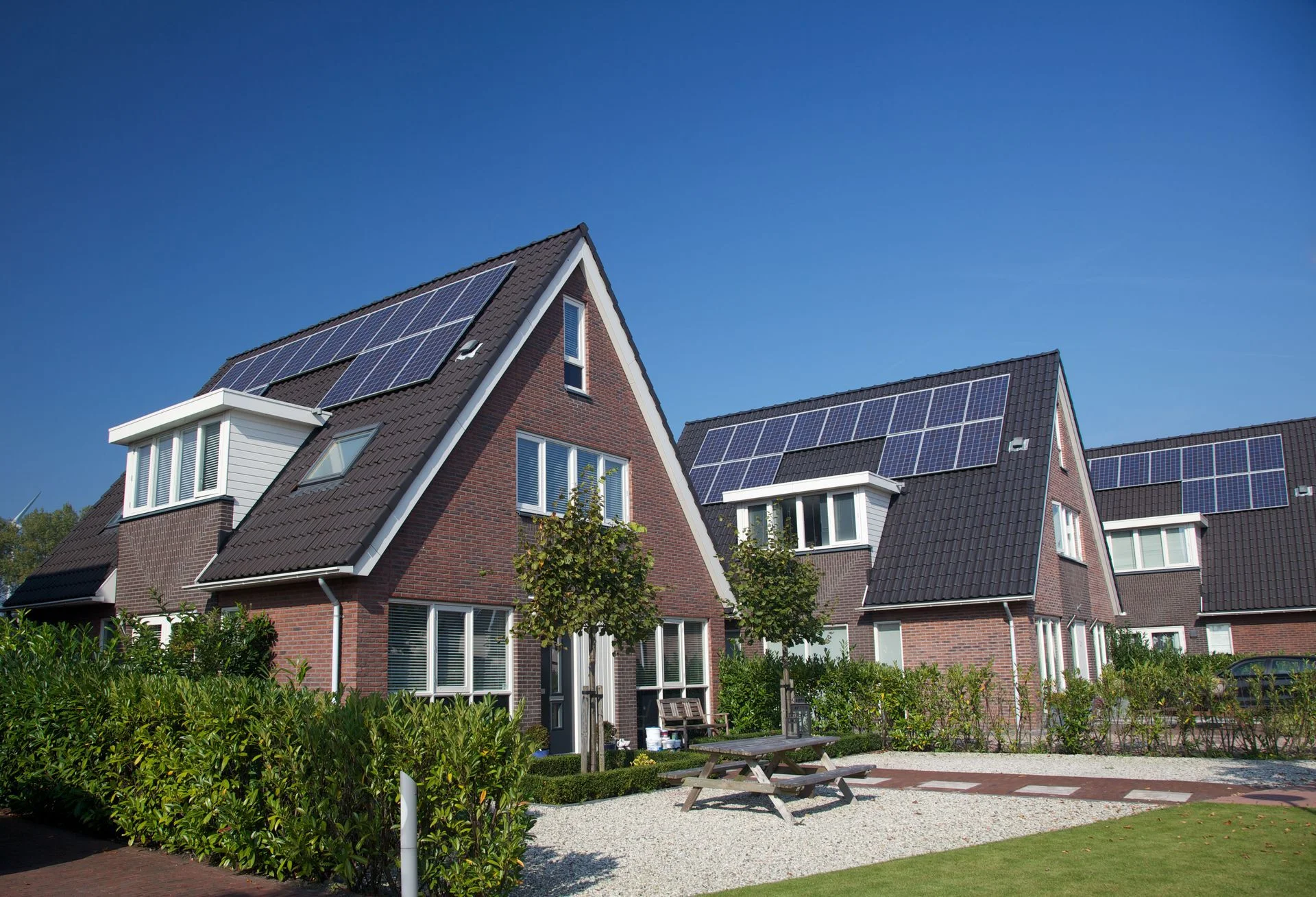
Learn about how residential roofers get your roof ready for solar panels and make smart choices that save you money and prevent damage to your home.
Solar energy is becoming an increasingly popular choice for homeowners looking to reduce energy costs and environmental impact. However, before installing solar panels, it’s important to understand how your roof’s condition, structure, and materials can affect performance and long-term durability.
A well-prepared roof ensures your investment delivers maximum efficiency while avoiding costly issues down the road. Many homeowners overlook critical roofing factors, which can lead to unexpected repairs or reduced system performance over time.
Taking the time to properly evaluate your roof before installation helps protect both your property and your investment, ensuring long-term reliability and peace of mind.
Before installing solar panels, your roof must be structurally sound and in good condition. If your roof is aging or has visible damage such as leaks, missing shingles, or sagging areas, these issues should be addressed before installation begins.
Solar panels are designed to last 20–30 years, so installing them on a roof that may need replacement soon can result in unnecessary costs. In many cases, it is more practical to replace or repair the roof first to ensure a stable and long-lasting foundation.
A professional inspection will help determine whether your roof can support solar panels or if improvements are needed before proceeding.
Solar panel systems add additional weight to your roof, which means your home’s structure must be able to safely support it. While most modern homes are built to handle this load, older properties may require reinforcement.
A roofing professional will assess the condition of your decking, rafters, and overall structure to ensure everything meets safety standards. This step is critical to avoid long-term structural issues and ensure your installation is secure.
Ignoring structural requirements can lead to serious complications, including roof damage or compromised safety over time.
The direction and slope of your roof play a major role in how efficiently your solar panels perform. South-facing roofs typically receive the most sunlight throughout the day, making them the most effective for energy production.
Roofs with improper angles or heavy shading from trees or nearby buildings may produce less energy. In such cases, adjustments in panel placement or system design may be required.
Understanding your roof’s orientation helps ensure you get the best return on your solar investment.
After installation, your roof will still require occasional maintenance, repairs, or inspections. Without proper planning, solar panels can make accessing certain areas difficult and increase maintenance costs.
Ensuring there is enough space for technicians to safely navigate around the panels is essential. Proper layout planning allows for easier roof inspections and future repairs without needing to remove the solar system.
This not only saves time but also reduces long-term maintenance expenses.
Not all roofing materials are equally suited for solar panel installations. Some materials, like asphalt shingles, are easier to work with, while others such as tile or slate may require specialized installation techniques.
Using compatible materials ensures that your roof remains durable and leak-free after installation. Improper handling or mismatched materials can lead to damage, water intrusion, or reduced lifespan of both the roof and solar system.
Consulting with roofing professionals helps ensure the right materials and installation methods are used.
Installing solar panels can impact your roof’s warranty, especially if not done correctly. Some manufacturers require specific installation methods to maintain warranty coverage.
Working with experienced professionals ensures that both roofing and solar warranties remain valid. This includes proper sealing, flashing, and mounting techniques that protect your roof from leaks and damage.
Always review your warranty terms before installation to avoid unexpected issues later.
If your roof needs replacement after solar panels have been installed, the panels must first be removed and reinstalled. This process adds extra labor and cost to your project.
Planning ahead by evaluating your roof’s lifespan can help you avoid these additional expenses. If your roof is nearing the end of its life, replacing it before installing solar panels is often the most cost-effective solution.
This proactive approach saves money and ensures your system remains efficient long-term.
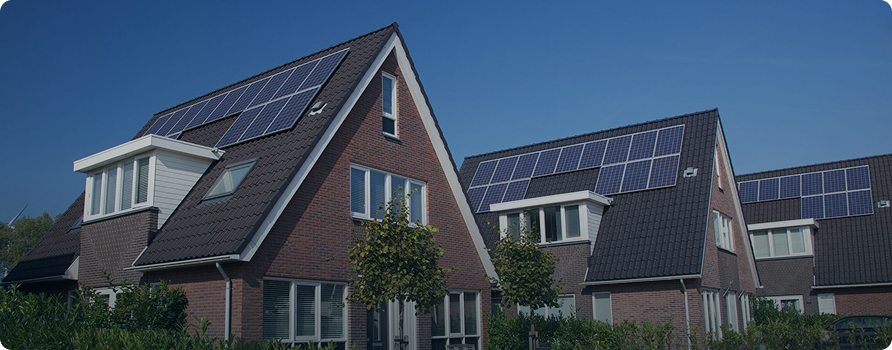
Get expert guidance before making a major investment. Our team will assess your roof’s condition and help you make the right decision.
Installing solar panels is a smart and sustainable investment, but your roof must be properly prepared to support it. By understanding key factors such as structural integrity, material compatibility, and long-term planning, you can avoid costly mistakes and ensure optimal performance.
Working with experienced roofing professionals helps you make informed decisions and protects both your home and your investment. With the right preparation, your solar system can deliver reliable energy savings and long-lasting value for years to come.
 August 13, 2026
Storm damage isn’t always easy to spot. Learn the 7 warning signs of roof damage…
 August 5, 2026
Impact-resistant shingles are specially engineered asphalt shingles designed to provide extra protection against hail, flying…
July 28, 2026Living in South Florida means enjoying beautiful weather most of the year, but it also…
 July 21, 2026
Your roof is one of the most important parts of your home. It protects your…
Get a professional inspection from experienced South Florida roofing experts. Fast, reliable service with honest recommendations you can trust.