March 18, 2026
Understanding when to repair a roof and when to replace it is crucial for homeowners. This article provides expert advice from a reliable roofing company to help make informed decisions regarding roof maintenance. The decision between repair and replacement is influenced by several factors, including the extent of damage, cost considerations, and the longevity of materials. We'll delve into each of these aspects to provide a comprehensive overview. By the end of this article, homeowners will have the knowledge needed to choose the best option for maintaining their roofs.
Assessing Roof Damage
Identifying Common Signs of Roof Wear
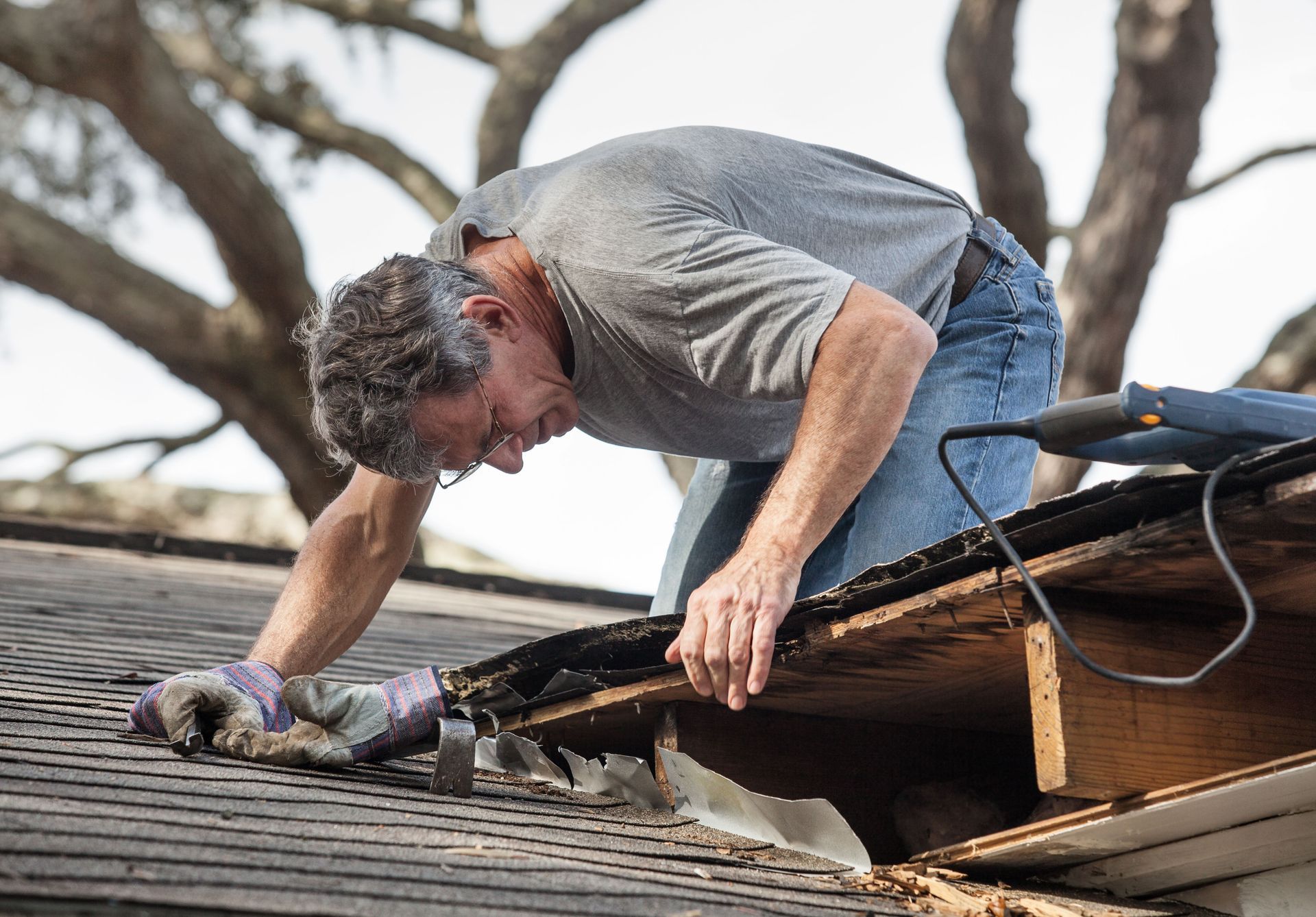
Just like any other part of your home, roofs also show signs of aging and wear. Common indicators include missing or broken shingles, which often lead to leaks and further damage. Discoloration and moss growth can signal trapped moisture, compromising structural integrity. Sagging or uneven rooflines often indicate underlying structural issues. Regular visual inspections allow homeowners to catch these early signs of damage, preventing costly repairs or replacements.
Evaluating Water Damage and Leaks
Water is one of the biggest enemies of a well-maintained roof. Leaks not only damage the internal structure but can also lead to mold growth and health issues. Tracing the source of leaks can be challenging, as water tends to follow a path before it becomes visible. A roofing company's assessment can accurately identify the source and extent of water damage. It's crucial to address any signs of water intrusion promptly to prevent further issues.
The Role of Weather in Roof Deterioration
Weather conditions significantly impact the longevity and durability of a roof. Hail, heavy winds, and prolonged sun exposure can accelerate wear and tear. Winter weather, with its freeze-thaw cycles, can lead to cracks and leaks. Understanding the impact of local weather patterns can help homeowners implement preventative measures. Regular maintenance tailored to specific climate challenges can significantly extend the lifespan of a roof.
Cost Analysis
Calculating Costs for Roof Repairs
The cost of roof repairs can vary widely depending on the type and extent of damage. Minor repairs, such as replacing a few missing shingles, are generally affordable. However, addressing structural damage or extensive water intrusion becomes costlier. Materials, labor, and the roof's accessibility all influence repair costs. Obtaining quotes from several roofing companies ensures a fair price and helps budget for necessary repairs.
Estimating Replacement Expenses
Replacing a roof is a significant investment with substantial costs. Factors affecting the cost include the size of the roof, chosen materials, and local labor rates. Premium materials such as tile or slate are more expensive but offer longer lifespans. On the other hand, asphalt shingles are more budget-friendly but may require replacement sooner. According to Mordor Intelligence, replacement projects accounted for 81.65% of the total United States roofing market size as of 2025 heading into 2026, highlighting the prevalence and importance of accurately budgeting for such projects.
Long-term Financial Implications
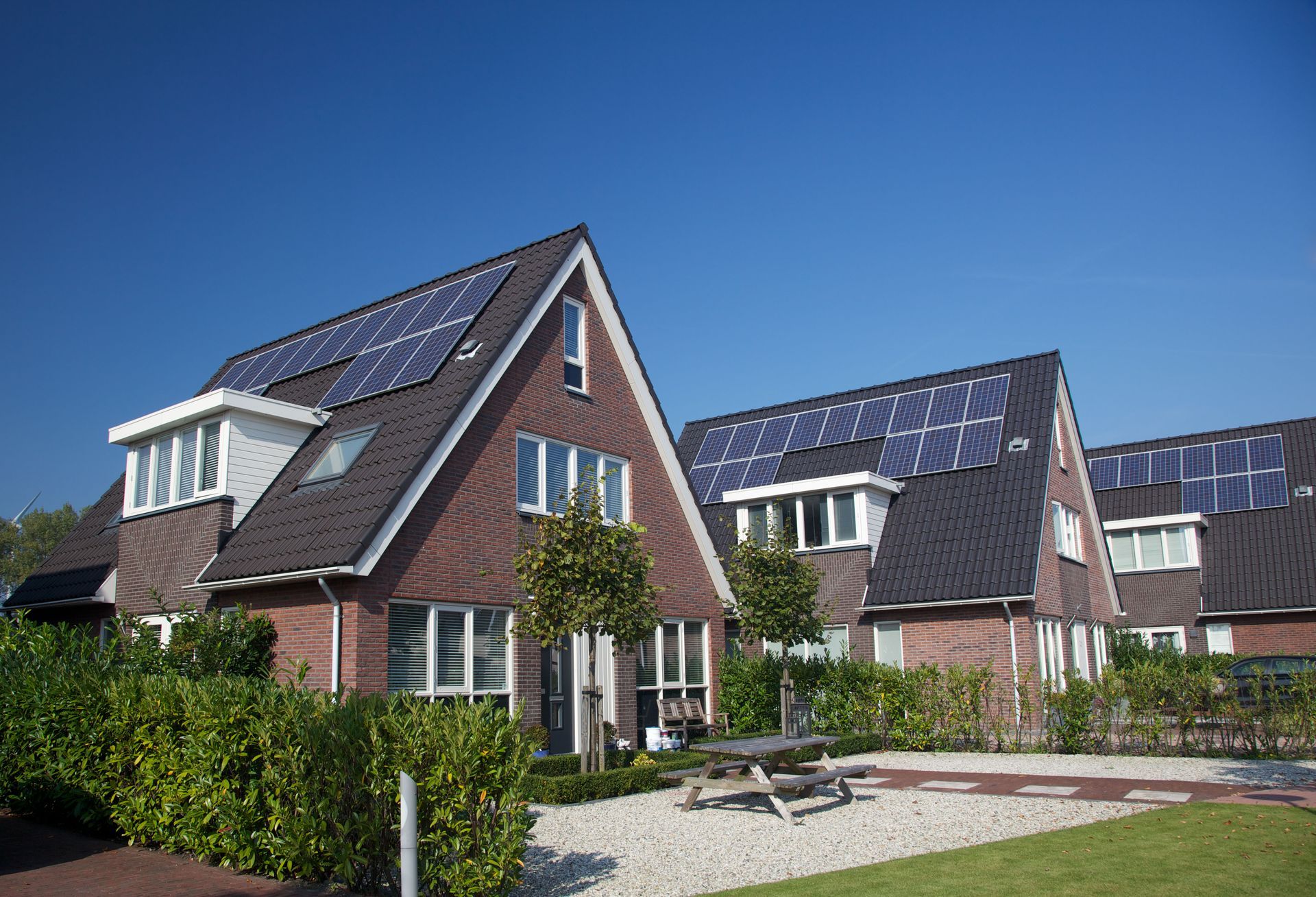
While repairs might seem cost-effective initially, frequent patch-ups can add up over time. Investing in a new roof can result in long-term savings by eliminating recurrent repair costs. A new roof can also improve energy efficiency, lowering heating and cooling expenses. Furthermore, a well-maintained roof contributes to the home's overall value and attractiveness. Weighing the long-term financial implications helps decide whether immediate or eventual replacement is the best course of action.
Materials and Longevity
Comparing Common Roofing Materials
Various materials suit different budgetary and aesthetic preferences. Asphalt shingles are popular due to affordability and ease of installation. Metal roofs are durable and energy-efficient, but come at a higher cost. Tile and slate offer timeless beauty and longevity, but require sturdy structural support. Understanding material characteristics helps homeowners select the best option for their specific needs.
Expected Lifespan of Different Roof Types
The lifespan of a roof varies significantly based on its material. Asphalt shingles typically last 20-30 years, while metal roofs can endure for 40-70 years. Tile and slate roofs can last over a century with proper maintenance. Understanding these lifespans aids in planning for eventual replacements. Investing in materials with longer lifespans can be cost-effective in the long run.
Impact of Materials on Repair Needs
Different roofing materials have unique repair and maintenance requirements. Asphalt shingles may need frequent patching due to wind damage. Metal roofs resist environmental factors but can sustain dents from heavy impacts like hail. Tile and slate are durable but may crack under extreme conditions. Understanding these tendencies can prioritize which materials suit the homeowner's climate and wear conditions. Optimal material choice minimizes repair frequency and costs.
Timing and Seasonality
Ideal Seasons for Roof Repairs
Timing repairs and replacements strategically can ensure a seamless process. Spring and early summer provide ideal conditions for roofing work, avoiding winter's challenges and summer's heat. Scheduling repairs during these times ensures contractors operate at peak efficiency. Mild weather reduces the likelihood of materials or working conditions being compromised. Planning allows work to be completed before adverse weather impacts the roof further.
Seasonal Effects on Roofing Integrity
Each season imposes unique challenges affecting roofing integrity. Winter brings the freeze-thaw cycle, leading to cracks and leaks. Summer's intense heat can cause materials to expand and contract, impacting longevity. Autumn foliage can block gutters, causing water damage, while spring showers test waterproofing. Recognizing these effects allows for strategic maintenance and repairs, extending the life of the roof significantly.
How Delays Can Worsen Roof Damage
Delaying needed repairs can exacerbate roofing issues, leading to more extensive damage. Unattended leaks can spread, harming interior structures and potentially causing mold. Degraded materials compromise the roof's ability to protect the home effectively. The longer issues persist, the higher the repair or replacement costs become. Timely intervention ensures minor issues remain manageable and prevents escalation.
Choosing a Roofing Professional
Finding a Reliable Roofing Company
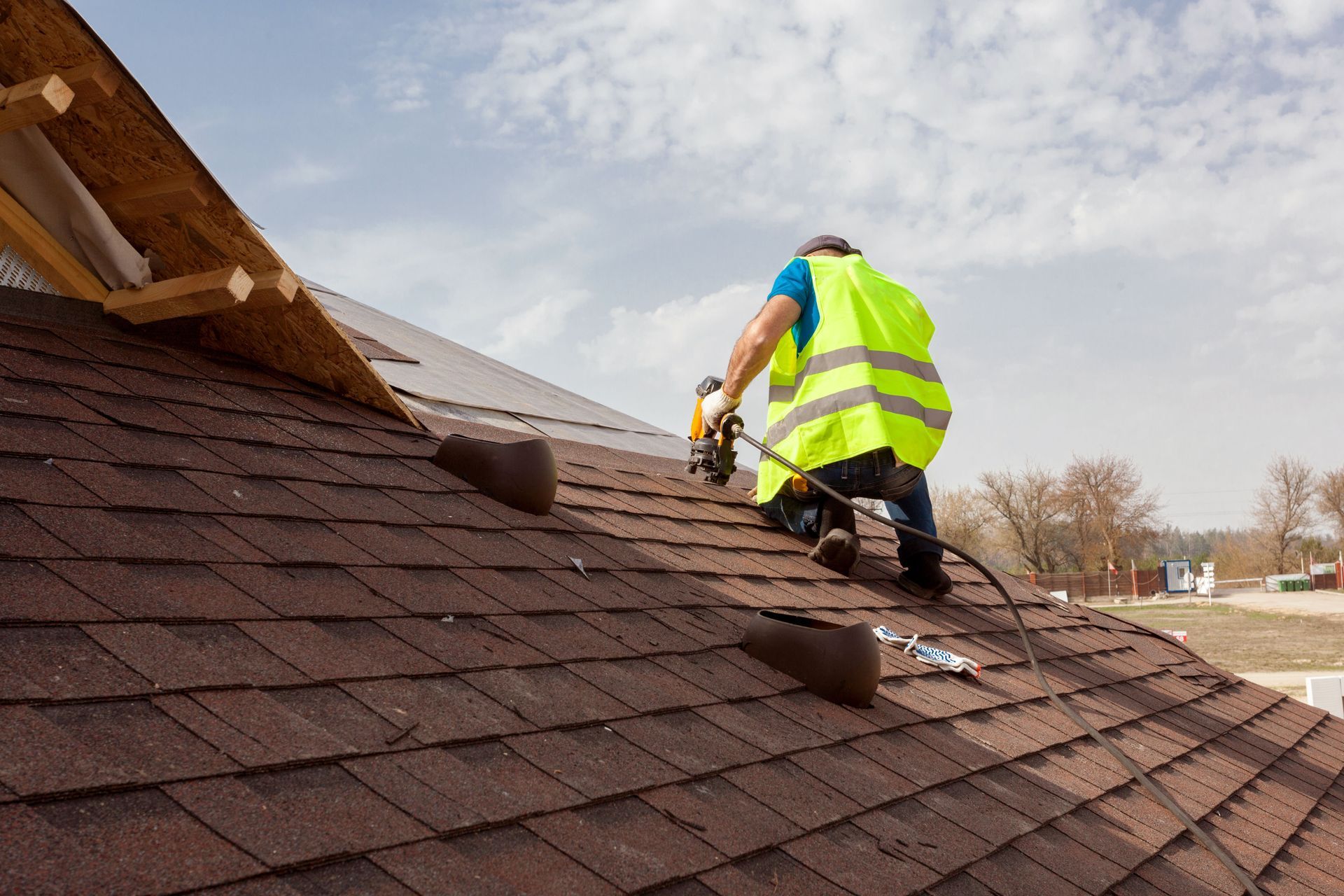
Choosing the right company is vital for high-quality repairs or replacements. Researching local contractors and asking for recommendations offers a good starting point. Verifying licenses and insurance ensures professionalism and accountability. Look for contractors with a long-standing reputation and positive reviews. Partnering with an experienced roofer offers peace of mind and guarantees quality workmanship.
Understanding Quotes and Contracts
Thoroughly understanding roofing quotes and contracts prevents misunderstandings and protects homeowners. Detailed quotes should cover labor, materials, and any additional fees. Contracts outline the scope of work, projected timelines, and payment schedules. When reviewing documents from a roofing company, make sure all labor and materials are clearly detailed. Reviewing the terms with the contractor ensures clarity and transparency. Writing down project specifics helps prevent future disputes and ensures expectations are met.
Checking References and Reviews
Checking references and reviews helps gauge a contractor's reliability and quality of work. Asking for references from recent projects provides insight into their performance. Online reviews and testimonials offer unfiltered feedback from other homeowners. A reputable roofing company will provide references and demonstrate a history of quality work. Assessing how contractors handle criticisms or complaints helps evaluate their professionalism. Investing time in vetting contractors assures satisfactory results and peace of mind.
Deciding between roof repair and replacement depends on various factors, including damage severity, cost, and material longevity. Consulting a roofing company can provide tailored solutions and ensure the safety and durability of your home. By following expert guidelines and approaching roof maintenance proactively, homeowners can preserve their investment while ensuring the family’s comfort and safety. Ultimately, a well-maintained roof safeguards against elements, boosts home value, and reflects the owner's commitment to home care. Making informed decisions about roof repair and replacement is a critical aspect of responsible homeownership. A professional roofing company like Fortress Roofing Systems will make sure your home remains protected and your investment is preserved.