April 20, 2026
Your roof is one of the most important protective systems in your home, yet it is often overlooked until visible damage appears indoors. Small exterior changes, subtle leaks, and performance issues can develop slowly over time, making early detection essential. Scheduling an evaluation with a residential roofer helps identify problems before they escalate into costly structural repairs. Many homeowners assume roofing issues are obvious, but most begin with barely noticeable signs that worsen gradually with exposure to weather and aging materials.
A residential roofer can assess both exterior and hidden conditions to determine whether your roof is still performing properly or beginning to fail. According to This Old House, approximately 31% of homeowners have completed roof repairs, renovations, or maintenance within the last three years, showing how common ongoing roof care has become. Regular inspections are a practical way to maintain long-term home safety and prevent unexpected damage.
1. Noticing Exterior Shingle Deterioration
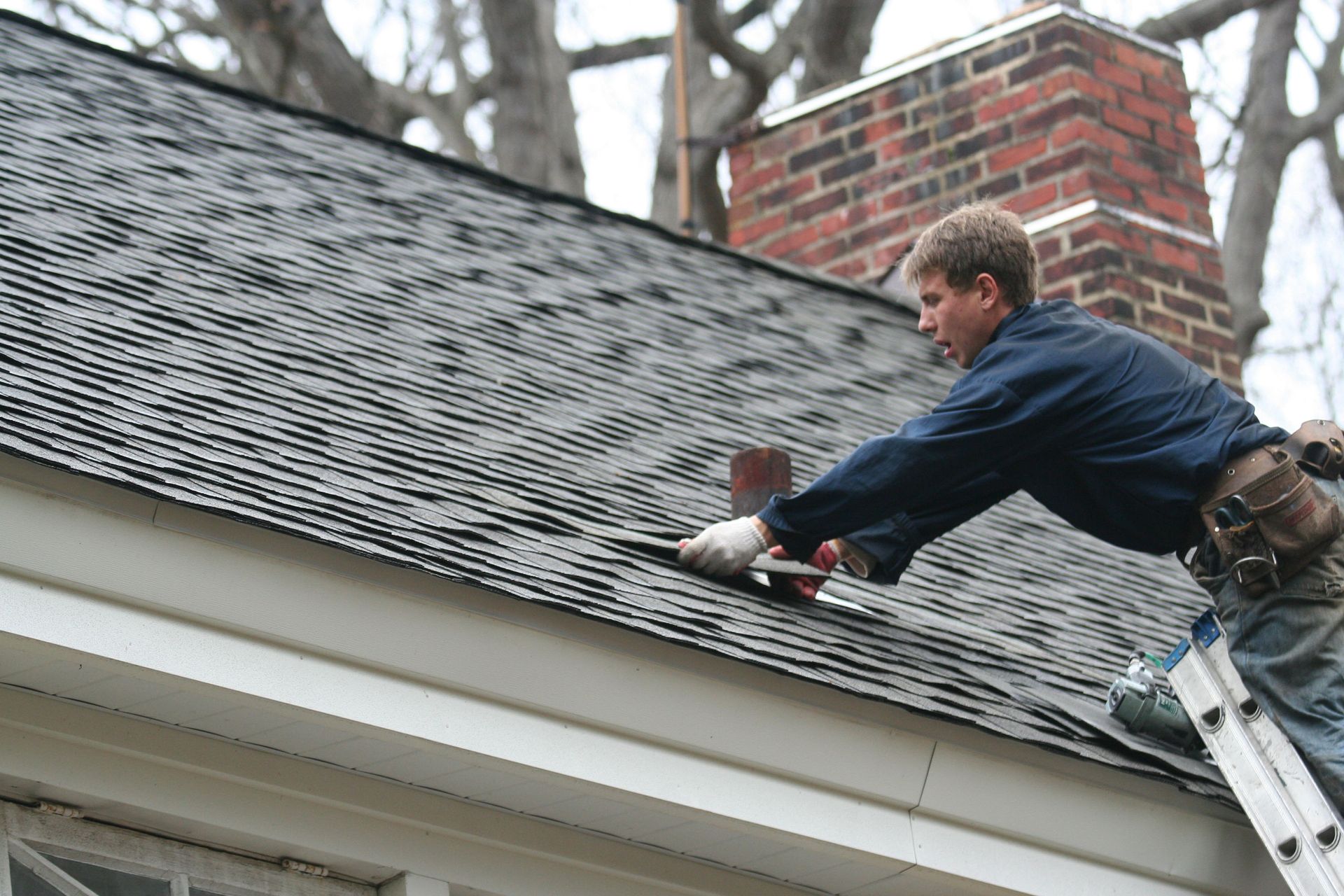
One of the most visible warning signs of roofing issues is shingle deterioration. This can include curling edges, cracked surfaces, or shingles that appear brittle and worn. When shingles begin to lose their structural integrity, the underlying layers of the roof become vulnerable to moisture and wind exposure. A residential roofer can evaluate whether the damage is isolated or widespread, helping determine whether repairs or replacement are necessary.
Missing shingles are another clear indicator that the roof has experienced stress, often from high winds or aging adhesive failure. Granule loss is also a common issue, where protective coating from shingles accumulates in gutters or downspouts. This weakens UV protection and accelerates roof aging. A residential roofer can assess whether the roof still provides adequate coverage or if deterioration has reached a point where intervention is needed to prevent further damage.
2. Identifying Roof Leaks and Interior Stains
Water intrusion is one of the most serious roofing problems and often begins subtly before becoming visible indoors. Homeowners may notice yellow or brown stains forming on ceilings or upper walls, which typically indicate moisture penetration. A residential roofer can trace these stains back to their source, which may be far from the visible interior damage due to water traveling along beams and insulation.
Damp attic insulation, peeling paint, or musty odors are additional signs that moisture is entering the home. Even small leaks can grow over time, leading to mold development and structural weakening if not addressed. A residential roofer evaluates flashing, underlayment, and roof penetrations to identify where water may be entering. Early detection is essential because interior damage often signals that roofing issues have already progressed beyond surface-level concerns and require immediate attention.
3. Observing Storm and Wind Damage
Severe weather is one of the most common causes of sudden roofing issues. High winds can lift shingles, loosen flashing, or expose vulnerable areas that may not be visible from the ground. After storms, homeowners may not immediately notice damage, but even minor disruptions can compromise the roof’s protective barrier. A residential roofer can inspect for hidden issues such as displaced shingles, weakened seals, or punctures caused by debris.
Hail damage is another concern, as it can create small impact marks that reduce shingle effectiveness over time. These issues often worsen gradually rather than appearing immediately. A residential roofer evaluates the full roof system after weather events to ensure that no hidden vulnerabilities remain. Prompt inspections after storms help prevent minor damage from developing into leaks or structural deterioration.
4. Detecting Roof Sagging and Structural Weak Spots
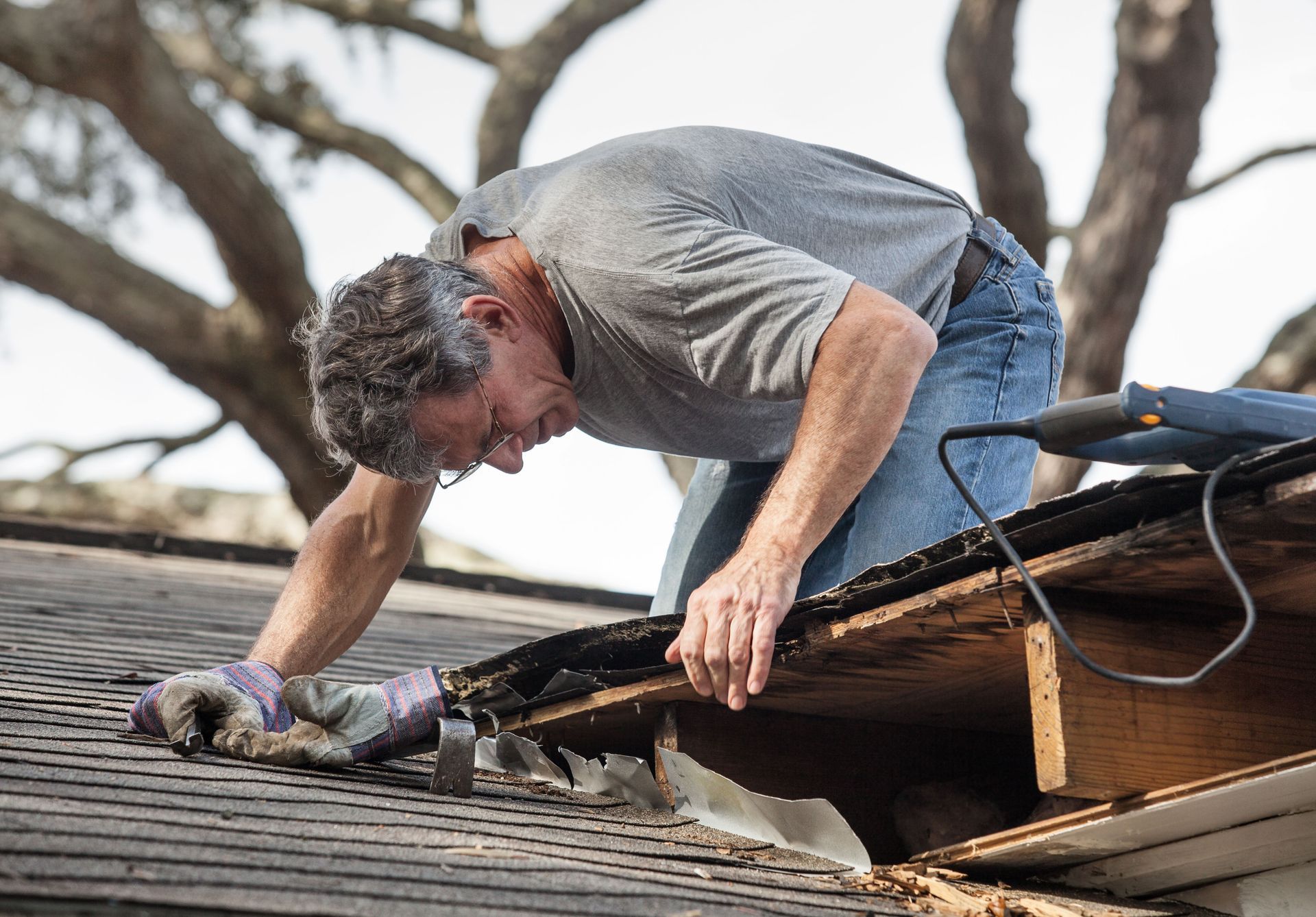
A sagging roof is a serious indicator of structural weakness that should be addressed immediately. This condition often appears as a dip or uneven surface along the roofline and may suggest issues with decking, moisture damage, or compromised support beams. A residential roofer can determine whether the sagging is localized or affecting larger sections of the roof structure. In many cases, prolonged moisture exposure or excessive weight from debris accumulation contributes to this problem.
Homeowners may also notice interior signs such as uneven ceilings or cracked drywall, which often correlate with structural movement above. A residential roofer assesses load-bearing integrity and identifies whether repairs can stabilize the structure or if more extensive restoration is required. Ignoring sagging can lead to significant safety risks and costly repairs, making early evaluation essential.
5. Spotting Moss, Algae, and Moisture Retention
The growth of moss, algae, or dark streaking on a roof surface often indicates excessive moisture retention. While these issues may seem cosmetic at first, they can lead to long-term material degradation if left untreated. Moss tends to trap moisture against shingles, weakening their structure and accelerating decay. Algae, on the other hand, can spread across roofing surfaces, affecting appearance and performance. A residential roofer can determine whether biological growth is superficial or causing more serious damage beneath the surface.
These conditions are often more common in shaded or humid areas where drying is limited. Over time, trapped moisture can seep into roofing layers and contribute to leaks or insulation problems. A residential roofer evaluates drainage, ventilation, and material condition to address both the visible growth and its underlying causes.
6. Checking Attic Light, Ventilation, and Energy Changes
The attic often reveals roofing problems before they become visible elsewhere in the home. One clear sign is visible daylight shining through the roof boards, which indicates gaps or structural openings. Poor ventilation is another concern, as it can trap heat and moisture, accelerating material breakdown. A residential roofer inspects airflow systems and checks for blocked vents or improper insulation placement.
Homeowners may also notice rising energy bills or uneven indoor temperatures, which can be linked to roofing inefficiencies. When a roof is not properly sealed or ventilated, it forces heating and cooling systems to work harder. A residential roofer evaluates whether these issues stem from roof damage or ventilation failure. Addressing attic conditions early can improve both energy efficiency and overall roof performance.
7. Understanding Roof Age and Maintenance History
Roof age is one of the most important factors in determining its current condition and expected lifespan. Most roofing systems have a limited service life depending on materials, installation quality, and environmental exposure. Even without visible damage, older roofs may begin to weaken internally. A residential roofer can assess whether aging materials are still performing effectively or approaching the end of their lifespan.
Maintenance history also plays a key role, as roofs that have not been regularly inspected are more likely to develop hidden issues. Industry trends show that nearly one-third of homeowners have invested in roofing repairs or maintenance in recent years, highlighting how common ongoing upkeep has become. A residential roofer evaluates whether continued repairs are practical or if replacement is the more reliable long-term solution.
Recognizing early warning signs such as shingle deterioration, leaks, storm damage, sagging structures, moss growth, attic issues, and aging materials can make a significant difference in protecting your home. Each of these indicators signals the need for careful evaluation before problems escalate. A residential roofer plays a vital role in identifying hidden damage and ensuring your roofing system remains strong, efficient, and safe throughout the year. If you notice any of these signs, delaying inspection can increase repair costs and risk further structural damage. Contact Fortress Roofing Systems today to schedule an inspection with a residential roofer and ensure your home remains protected, efficient, and structurally sound in every season.